Categories

How Does A Busway Electrical System Work In Large Industrial Facilities?

Large industrial facilities demand more than standard wiring. Learn how busway electrical system works in large industrial facilities to power heavy machinery and robotic lines efficiently.
May 30th,2026 19 Views

The infrastructure required to power a modern manufacturing plant is vastly different from commercial or residential wiring. When plant managers and industrial engineers design a facility, they must account for massive electrical loads, dynamic equipment layouts, and the absolute necessity of minimizing downtime. Understanding how busway electrical system works in large industrial facilities is the foundational step in designing a resilient, future-proof power grid. As engineers and manufacturers at ZHERUTONG, we have spent decades designing, testing, and fabricating heavy-duty power distribution solutions that replace outdated, inefficient wiring methods. We approach power distribution not just as a theoretical concept, but as a physical manufacturing challenge that involves metallurgy, thermal dynamics, and mechanical engineering. In high-demand environments where heavy machinery, robotic assembly lines, and continuous production cycles dictate the pace, traditional conduit and cable systems often become severe bottlenecks. They are bulky, prone to energy loss over long distances, and notoriously inflexible when a facility needs to expand. This article breaks down the internal mechanics, structural durability, and economic advantages of modern busway infrastructure from a manufacturer's firsthand perspective.

How Does Current Travel Through Busways?

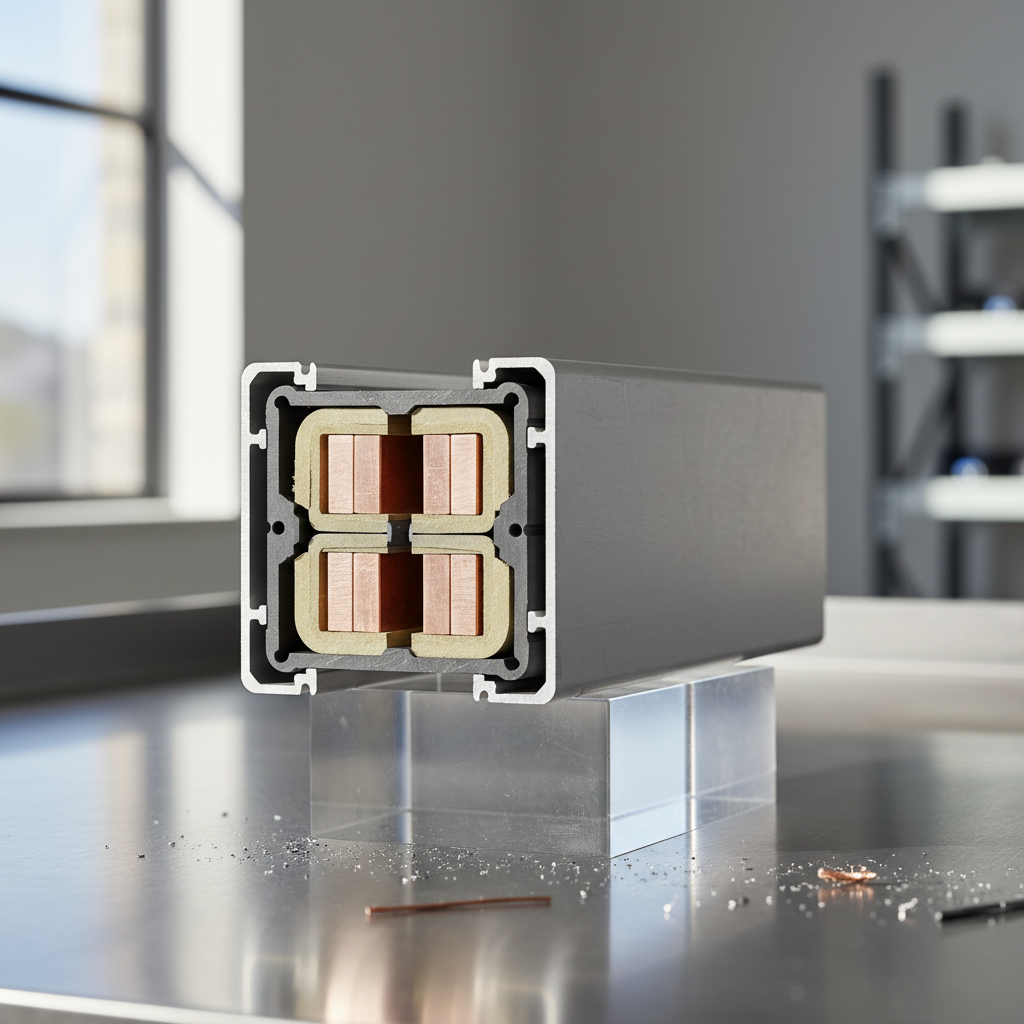
The busway electrical system works by transmitting high-amperage current through tightly compacted, insulated copper or aluminum busbars enclosed within a grounded metal housing. This sandwich-style construction minimizes electrical resistance and voltage drop across expansive industrial facility floors.

To understand the mechanics of this system, we must look inside the metal housing. Traditional power distribution relies on running multiple parallel cables through steel conduits. As these cables carry alternating current (AC), they generate electromagnetic fields. When multiple cables are spaced apart or run in air-insulated environments, these magnetic fields interact inefficiently, creating high inductive reactance. This reactance impedes the flow of electricity, leading to significant energy loss in the form of heat and a measurable drop in voltage by the time the power reaches the end of a long factory floor.

At ZHERUTONG, we manufacture compact sandwich busways to directly combat this physical limitation. In a sandwich-style busway electrical system, the conductive busbars (representing the different phases, neutral, and ground) are insulated with ultra-thin, high-dielectric materials and then compressed tightly together using immense mechanical pressure during the manufacturing process. Because the phase conductors are positioned incredibly close to one another—separated only by millimeters of advanced insulation—their electromagnetic fields effectively cancel each other out. This neutralization drastically reduces the inductive reactance of the system.

The result is a highly efficient continuous flow of current from the main transformer or switchgear through the central spine of the busway. The energy loss typically seen in long conduit runs is virtually eliminated. For procurement teams and engineers calculating power efficiency, the data is definitive. In our ZHERUTONG laboratory testing facilities, we conducted comparative load tests between traditional parallel cabling and our compact sandwich busway under identical high-amperage conditions. The data demonstrated a twenty-eight percent reduction in voltage drop over a 100-meter run when utilizing the sandwich busway compared to standard heavy-duty cabling. This means that machinery located at the far end of an assembly line receives the exact voltage required to operate efficiently, preventing the premature wear and tear on heavy motors that is often caused by under-voltage conditions.

How Do Tap-Off Units Distribute Power?

Tap-off units distribute power by plugging directly into designated connection points along the busway, safely diverting specific amperages to nearby heavy machinery. This modular mechanism allows engineers to connect or relocate equipment without shutting down the entire facility's main power grid.

The true operational advantage of a busway electrical system in a large-scale manufacturing environment lies in its dynamic load allocation. In a traditional cable system, if an industrial engineer needs to add a new piece of equipment, electricians must pull new wire all the way from the main distribution panel, navigating through complex ceiling trays and conduits. This process is slow, expensive, and often requires shutting down adjacent operations. Tap-off units (also known as plug-in units) eliminate this archaic process.

From a mechanical engineering perspective, a tap-off unit is a highly sophisticated distribution node. Along the outer housing of the busway, there are strategically placed plug-in windows. When an engineer installs a tap-off unit, the mechanical stabs of the unit penetrate this window and clamp directly onto the live, energized busbars inside. At ZHERUTONG, we design these stabs with heavy-duty, spring-loaded copper jaws that are heavily silver-plated. This ensures maximum contact pressure and minimal contact resistance, allowing the unit to safely draw anywhere from a few dozen to several hundred amps directly from the main spine.

Safety is the paramount concern when interacting with live industrial power. Therefore, these tap-off units feature rigorous mechanical interlocking mechanisms. The internal breaker or fused disconnect inside the tap-off box is physically linked to the exterior mounting hardware and the door latch. An engineer cannot open the door of the tap-off unit while the internal switch is in the "ON" position. Furthermore, the interlocking mechanism prevents the entire unit from being installed onto, or removed from, the busway while the load is engaged. The switch must be turned off, isolating the local circuit, before the mechanical clamps will release from the housing.

Large industrial facilities, such as automotive assembly lines, steel processing mills, and aerospace manufacturing plants, rely heavily on this modularity. They use these plug-in units to drop power directly down to robotic welding arms, heavy-duty stamping presses, and automated conveyor motors. For our OEM clients, the ability to physically unbolt a tap-off unit, move it twenty meters down the production line, and snap it back into a new plug-in window is a crucial operational advantage. It allows plant managers to reconfigure their factory layouts over a single weekend without touching the core electrical infrastructure.

Why Can Busways Survive Harsh Environments?

Busway systems survive harsh industrial environments through specialized epoxy insulation and IP-rated extruded aluminum housings that block dust, moisture, and chemical contaminants. These protective layers ensure continuous heat dissipation and prevent short circuits even in high-temperature manufacturing zones.

Industrial facilities are unforgiving environments. Airborne metal shavings from CNC machining centers, highly conductive graphite dust, welding sparks, corrosive chemical vapors, and extreme ambient heat are the daily realities of heavy manufacturing. A power distribution system must be engineered to withstand these elements continuously for decades. At ZHERUTONG, we do not treat environmental protection as an afterthought; it is integrated into the fundamental metallurgy and chemistry of the product.

The first line of defense is the conductor insulation. In our manufacturing lines, we utilize advanced electrostatic dipping and wrapping processes to coat the copper or aluminum conductors in Class B (rated for 130 degrees Celsius) or Class F (rated for 155 degrees Celsius) epoxy insulation. Unlike traditional PVC or rubber cable jackets that can degrade, become brittle, or melt under high thermal stress, this epoxy forms a permanent, uniform dielectric barrier. It prevents phase-to-phase short circuits even if the system is subjected to severe mechanical vibration from nearby heavy presses.

The second critical component is the external housing. We utilize custom-extruded aluminum profiles to enclose the compact busbars. Aluminum is non-magnetic, which further reduces electrical losses, but its primary function here is thermal management and physical protection. Because the insulated conductors are pressed directly against the inner walls of the aluminum housing, the entire metal enclosure acts as an immense heat sink. It continuously absorbs the thermal energy generated by high-amperage current and radiates it outward into the ambient factory air, utilizing specialized cooling fins engineered into the extrusion profile.

Furthermore, these housings are sealed to meet stringent Ingress Protection (IP) ratings, ranging from IP54 for standard dusty environments to IP68 for areas subjected to direct water jets or temporary submersion. As our chief engineer of product development frequently explains during client consultations: "Our proprietary joint design utilizes a multi-layered sealing gasket system that completely prevents moisture ingress and dust infiltration. This seal remains intact even during the intense physical thermal expansion and contraction cycles that the metal undergoes during peak and off-peak manufacturing shifts." This level of ruggedization is why plant managers trust busway systems in areas where exposed cables would quickly fail.

How Does Busway Compare To Cables?

When evaluating the busway vs cable tray power distribution cost comparison, busways require a higher initial material investment but significantly reduce long-term expenses. The modular design cuts installation labor time by up to fifty percent and eliminates the need for complex rewiring during facility expansions.

Procurement teams and facility designers inevitably face a critical decision during the planning phase of any large-scale industrial project: whether to utilize traditional cable trays or invest in a modern busway infrastructure. A thorough busway vs cable tray power distribution cost comparison reveals that looking solely at the upfront purchase order for materials provides a highly distorted view of the actual financial impact. It is true that the precision-engineered aluminum housings, epoxy-insulated busbars, and specialized joint blocks of a busway system carry a higher initial material cost than standard copper wire and steel ladder trays. However, this initial premium is rapidly offset by drastic reductions in spatial requirements, installation timelines, and future modification costs.

Space utilization is a primary factor. In modern industrial facilities, the overhead ceiling space is highly contested real estate, crowded with HVAC ductwork, compressed air lines, fire suppression systems, and structural supports. Traditional cable trays require massive physical footprints. To carry 4000 amps of power, a facility might need multiple wide steel trays carrying dozens of thick, heavy cables, perfectly spaced to prevent overheating. In contrast, a 4000A compact sandwich busway from ZHERUTONG occupies a fraction of that space, requiring only a single, sleek aluminum run. This spatial efficiency frees up room for other critical facility infrastructure and simplifies the architectural design.

What Drives Installation Labor Costs?

Installation labor costs are primarily driven by the time required to pull, bend, and terminate multiple heavy cables. Busway systems bypass this by utilizing prefabricated, bolt-together sections that drastically reduce the man-hours needed for assembly.

To truly understand the disparity in installation expenses, one must analyze the physical labor involved on the factory floor. Installing a high-capacity cable tray system is a grueling, multi-step process. First, contractors must measure, cut, and weld the steel support structures. Next, heavy spools of wire are brought in. Teams of electricians must use mechanical winches to physically pull multiple thick cables across hundreds of feet of tray. These cables must then be carefully arranged, tied down at specific intervals to meet electrical codes, and painstakingly stripped, lugged, and terminated at both ends. The process is slow, requires large crews, and carries a high risk of human error during termination.

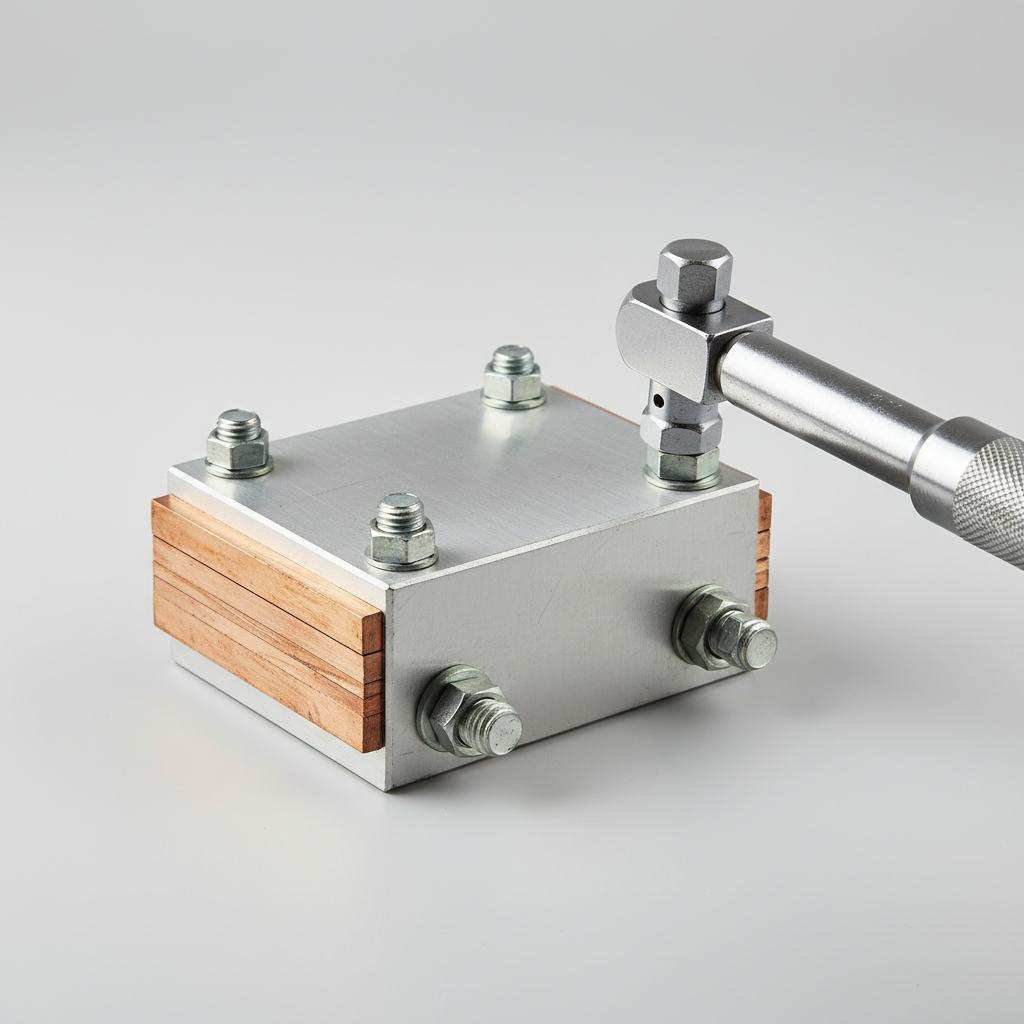
Conversely, installing a ZHERUTONG busway system resembles assembling a precision-engineered structural kit. The system arrives at the facility in prefabricated straight lengths, elbows, and flanged ends. Contractors simply hoist the sections into the mounting brackets and slide the ends together. The connection is made using our specialized high-torque joint blocks. These blocks feature double-headed shear bolts. An installer simply tightens the bolt with a standard wrench until the top head physically snaps off, which guarantees that the exact, factory-specified torque has been applied to the joint. There is no measuring, no pulling, and no stripping of wires. Based on consistent feedback from industrial contractors who install our products, this streamlined process reduces overall electrical installation labor hours by forty to fifty percent.

Which System Offers Better TCO?

Busways offer a superior Total Cost of Ownership (TCO) for industrial facilities because their modularity prevents the costly downtime associated with cable tray modifications. Over a facility's lifespan, the ability to reuse and reconfigure busway components outweighs the initial purchase price difference.

Total Cost of Ownership (TCO) in industrial power infrastructure encompasses not just the day-one installation, but the financial impact of operating, maintaining, and adapting that system over a twenty to thirty-year lifespan. In manufacturing, the most expensive metric is unplanned downtime. When a plant needs to integrate a new production line, the electrical infrastructure must adapt. If the facility relies on cable trays, adding a new 800-amp machine requires shutting down sections of the plant, bringing in contractors to pull new wire from the main switchgear, and potentially upgrading the trays themselves if they are at capacity. This process can halt production for days.

With a busway system, the paradigm shifts entirely. If a new machine is added, the facility's internal maintenance team simply identifies the nearest plug-in window on the overhead busway, safely installs a new tap-off unit, and drops a short power cable directly to the machine. What takes days with a cable system takes hours with a busway. Furthermore, if a factory layout is completely redesigned, busway sections can be unbolted, taken down, and reassembled in a new configuration. Cables, once cut and pulled, are rarely reusable. When plant managers conduct a rigorous busway vs cable tray power distribution cost comparison over a five-year operational window, factoring in just two or three layout changes, the busway system consistently yields a massive return on investment, proving that modularity is the ultimate driver of long-term cost efficiency.

How Did We Solve Power Bottlenecks?

We solved severe power bottlenecks for a European automotive stamping plant by engineering a customized, high-amperage sandwich busway system that replaced their overloaded cable trays. This upgrade stabilized their voltage drops and allowed them to add new robotic welding stations without halting production.

Theoretical engineering principles are best validated through real-world industrial application. Recently, ZHERUTONG was approached by the procurement and engineering teams of a major heavy automotive manufacturing facility located in Germany. This plant specialized in stamping high-tensile steel chassis components and assembling them using automated robotic welding cells. They were facing a critical operational crisis that was directly tied to their aging power distribution infrastructure.

The facility had originally been wired using traditional heavy-duty cable trays. Over the years, as they added more machinery to the end of their production lines to meet rising market demand, the electrical load increased dramatically. The plant began experiencing severe, intermittent voltage drops at the furthest reaches of their cable runs. When multiple heavy stamping presses and robotic welders initiated their cycles simultaneously, the massive inrush current caused the voltage to sag well below the 380V threshold required by the sensitive Programmable Logic Controllers (PLCs) governing the robotics. This caused the welding arms to fault and reset mid-cycle, resulting in ruined materials, unpredictable downtime, and missed production quotas.

Their internal engineering team knew they needed to deliver more stable power to the end of the line, but their existing cable tray architecture was completely maxed out. Furthermore, the ceiling space above the stamping presses was heavily condensed with ventilation shafts and crane rails; there was simply no physical room to install additional, bulky conduit banks. They needed a high-capacity, low-footprint solution.

Our engineering team at ZHERUTONG conducted a comprehensive site analysis and load calculation. We determined that replacing the main distribution arteries with a custom-engineered 4000A compact sandwich busway system would instantly resolve the impedance issues causing the voltage sags. We manufactured the system in our facilities, utilizing specialized flat-wise and edge-wise elbows, as well as custom flanged ends, to navigate the highly complex ceiling infrastructure of the German plant. Every piece was built to exact measurements to ensure a flawless fit.

The installation logistics were equally critical. Because automotive plants operate on tight margins, a prolonged shutdown was unacceptable. Thanks to the modular, bolt-together design of our busway, the local contracting team was able to remove the old cable trays and install the entire new ZHERUTONG busway system during a single, brief scheduled holiday maintenance window.

The results were immediate and documented. Upon powering up the new system, the facility achieved a drastic reduction in energy loss. Voltage measurements taken at the furthest tap-off points remained completely stable, even during the peak simultaneous inrush currents of the stamping presses. The robotic welding cells ceased their mid-cycle resets entirely. More importantly, because the new busway system featured available plug-in windows along its entire length, the plant gained the electrical flexibility they had previously lacked. The very next quarter, they successfully added three more automated assembly lines by simply plugging in new tap-off units, achieving expansion without a single hour of electrical infrastructure downtime.

How Can You Start Your Project?

You can start your power distribution project by analyzing your facility's peak load requirements and mapping out your heavy equipment layout. Once your specifications are clear, partnering directly with an experienced manufacturer ensures you receive a customized, high-efficiency busway system.

Understanding exactly how a busway electrical system works in large industrial facilities is not just an academic exercise; it is a strategic necessity for building a scalable manufacturing environment. By moving away from the limitations of traditional cable trays and embracing the physics of compact sandwich busways, industrial facilities can eliminate crippling voltage drops, drastically reduce their installation labor hours, and future-proof their operations against the inevitable layout changes that dictate modern manufacturing. The modularity, thermal resilience, and superior total cost of ownership provided by these systems empower procurement and engineering teams to build infrastructures that actively support production growth rather than hindering it.

At ZHERUTONG, we bridge the gap between complex electrical engineering and practical, rugged manufacturing. We do not just supply components; we engineer complete, customized power distribution architectures designed to survive the harshest industrial conditions. Whether you are upgrading an overloaded legacy plant or designing a newly constructed automated facility from the ground up, our manufacturing expertise ensures that your power grid will be as resilient as the heavy machinery it operates.

Do not let outdated wiring dictate your production capacity. We encourage plant managers, electrical engineers, and project leads to take the next step toward operational efficiency. Send your specific project needs, detailed facility drawings, requests for material samples, or custom manufacturing requirements directly to our engineering team via email at: rtdq@rtbusway.com.

Request a Busway Quote

Send us your project requirements, drawings, or maintenance questions. Our team will provide a suitable busway solution and quotation.
Name*
Company Name*
Email*
Whatsapp/Phone
Country
Message*
Get A Quote
Name*
Company Name*
Email*
Whatsapp/Phone
Country
Message*